The local climate is usually one of the most important factors that is very often overlooked during the planning of a new home or commercial building. The weather conditions in your area, like the temperature extremes, the level of humidity, the amount of rain, the force of the wind, and even the changes in seasons, are all factors that have a direct impact upon the durability, energy efficiency, comfort, and maintenance of any building in the long run.
Surrounding these factors with people and machines can cause problems of higher energy bills, structural problems, or a big discomfort for the inhabitants of the property. However, on the other side, climate-responsive designs pitch up the buildings that help nature instead of causing the opposite, leading to the creation of sustainable, cost-effective, and livable spaces.
The vast and varied topography of India provides a perfect example of the diversification of this concept. Local conditions pretty much influence everything from the selection of materials to the characteristics of the building, in contrast as the fierce heat of Rajasthan, the heavy rains of Mumbai, and the cooler northern hills.
The understanding of these impacts not only helps the homeowners and developers in making the right choices but also provides them with an added advantage in terms of functionality and value.
Various ways in which the climate affects building design
Thermal Comfort and Extreme Temperature
The aim is to keep the heat out during the day and let it cool down at night in places with hot temperatures and dry climates.
The use of thick walls with high thermal mass, like brick or stone, is very effective, as they absorb heat slowly and release it very gradually. The use of light-colored exteriors reflects sunlight, and this way, the indoor temperatures are reduced.
The use of overhangs, shaded courtyards, and the strategic placement of windows helps in blocking intense sunlight and, at the same time, allowing the natural air to flow in. On the other hand, cold climates require heat retention.
Heavy insulation, having double- or triple-glazed windows, and the use of wood or insulated concrete are some of the practices that help in preventing heat loss. Orienting the structure towards the south allows the passive solar warmth to be in during winter. In humid or coastal regions, water vapor is more prevalent, and therefore, the use of mass is not suitable. Instead, the choice of lightweight materials and the practice of elevating the structures allow the movement of air, which together keep moisture away and stop mold from growing.
Heavy Rainfall and Moisture Management
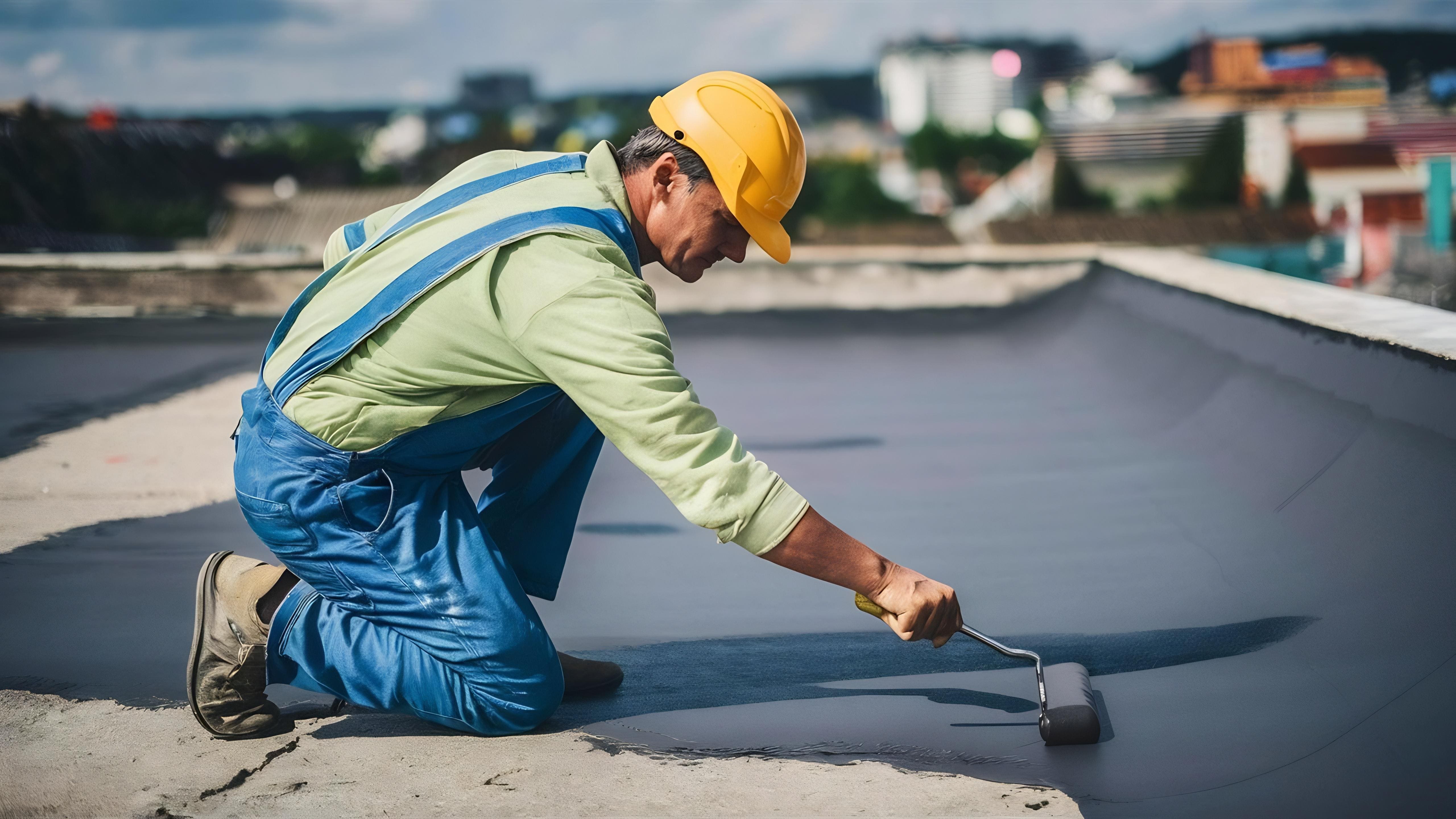
Secondly, heavy rainfall, which is characteristic of the monsoon season in states like Maharashtra, is another factor that building design has to consider, and in this case, the buildings are designed with sloped roofs that have wide eaves to keep water away from walls. Different construction techniques using water-resistant materials, the installation of efficient drainage systems, and building on raised foundations help combat flooding and dampness.
In rainy climates, breathable materials are used to avoid trapping the moisture, and at the same time, protective measures such as the application of sealants and coatings are done to prevent corrosion. In the case of dry areas, flat or low-slope roofs may be enough, but climate change is causing more unpredictable downpours even in these areas, which makes it necessary to have a resilient and waterproofed building.
Humidity and Material Durability
The impact of high humidity on the decay of the materials is very noticeable, as it quickens the process of mold, rot, and corrosion. In regions characterized by hot and high humidity, the moisture-resistant options such as fiber cement siding, treated wood, or engineered wood are the winners when compared to the traditional materials like wood that easily warp and decay.
Good indoor regulation of humidity is also assisted by proper ventilation features like cross-breezes through jali screens or open layouts. Regions with cold weather and snow prioritize freeze-thaw-resistant materials in order not to create cracks. In composite climates with changing seasons, versatile options like cavity walls or hybrid systems are able to accommodate these demands.
Wind and Severe Weather
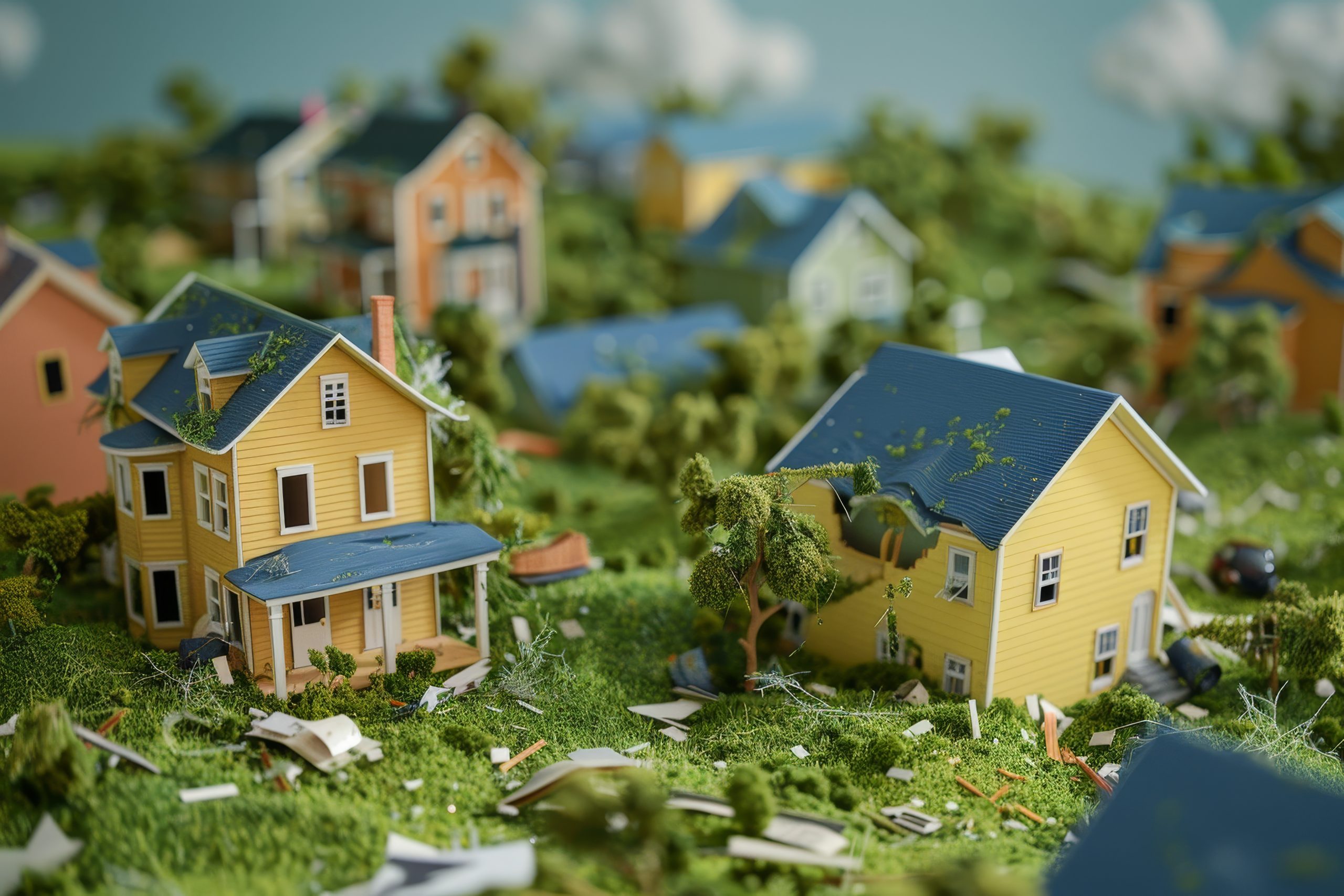
Areas near the coast or in hills must deal with strong winds. They have to use aerodynamic forms, strengthen the structures, and use very secure fastenings as a minimum requirement. And in places that are often hit by cyclones or have storms, the installation of impact-resistant windows and strong roofs is going to be the only option.
Climate-Responsive Strategies in Practice
The traditional Indian building style is full of very useful and clever adaptation ideas. The thick walls of Rajasthan’s havelis and jali (perforated screens) provide cooling, shading, and secrecy. Sloping roofs and central courtyards are the characteristics of Kerala’s nalukettu homes that let the humid monsoons ventilate them. In Bhuj’s hot-dry zone, solar heat gain is minimized by deep overhangs and reflective surfaces.
Modern examples like high-energy-saving façades and natural ventilation in Delhi’s offices show the compatibility of these principles with the demands of contemporary energy efficiency. Sustainability in the form of reduced energy consumption is achieved through these strategies, as they help lower the use of mechanical systems such as air conditioning, which in turn cuts down on the carbon footprint as well. This is very important considering the fact that the world is facing the challenge of rising temperatures and climate variability.
Why Should Climate Be Your Main Consideration in Building Decisions?
A construction that has been adapted to the climate will have a longer lifespan, experience fewer repairs, and be able to offer a better indoor climate without incurring too high utility costs. It would also be in accordance with the sustainable practices, being made of local materials that are good for the specific conditions, while also being less harmful to the environment. Unpredictable weather patterns that are becoming more common are a reason to apply modern design that will guarantee the future resilience of the buildings.
Consulting experts who know the regional particularities make a great difference, no matter if you are constructing in a busy coastal city or in a less populated dry area. Innovare Builders is a company that focuses on the production of buildings that are not only compliant with the local climate but also give durable, efficient, and environmentally friendly houses and projects. Selecting Innovare Builders, you are not only buying but also investing in quality that can endure both time and severe weather